

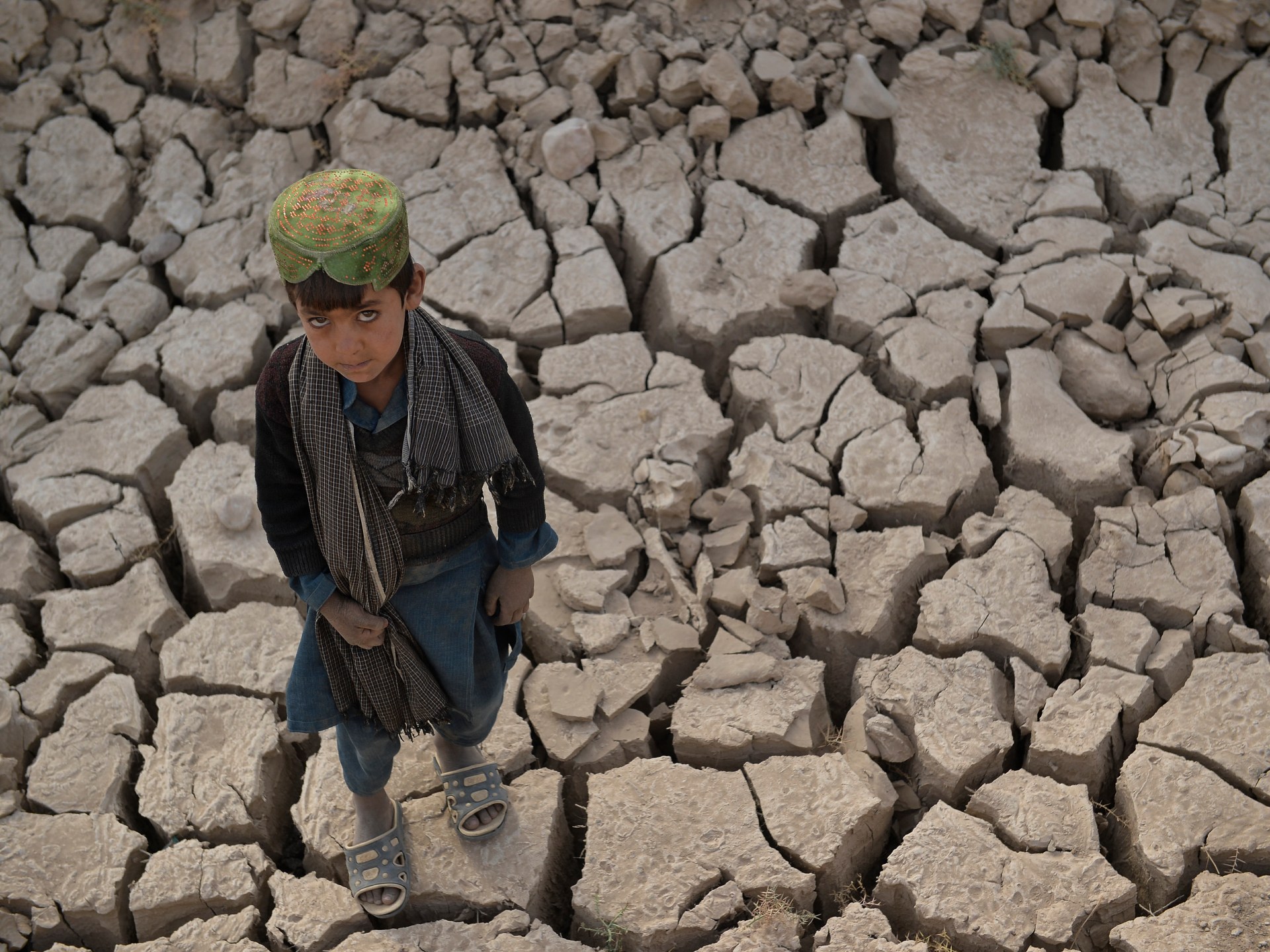
As the world grapples with the pressing issue of climate change, Afghanistan finds itself in a particularly precarious position. Ranked as the seventh most vulnerable country to climate change, Afghanistan has been facing a series of devastating climate-related disasters, including floods, droughts, and food insecurity. Despite its low contribution to global carbon emissions, the country has been excluded from key international climate negotiations and funding since the Taliban takeover in 2021.
The exclusion of Afghanistan from climate assistance has had severe consequences on its population, with millions of people facing acute food insecurity and malnutrition. Women and children, who are already disproportionately affected by food insecurity, are bearing the brunt of the crisis. The lack of access to climate financing is deepening poverty and exacerbating the humanitarian crisis in the country.
Experts and NGOs have proposed strategies to ensure that climate funding reaches the Afghan people without legitimizing the Taliban, emphasizing the need for constructive, long-term solutions. The international community must demonstrate solidarity with Afghanistan and commit to finding ways to support the country in adapting to the effects of climate change.
The urgency of the situation is clear, as climate-related disasters in Afghanistan are expected to worsen without immediate intervention. The international community cannot afford to ignore Afghanistan’s plight, as every day of inaction deepens the country’s climate disaster. It is imperative that the world comes together to support Afghanistan’s most vulnerable populations and help the country build resilience against the impacts of climate change.
Source
Photo credit www.aljazeera.com


