The renewed fighting in Syria’s civil war, which has resulted in over 300,000 deaths and forced nearly 6 million refugees out of the country since 2011, is causing concern across the Middle East and beyond. The conflict began with pro-democracy demonstrations in 2011 against President Bashar al-Assad, leading to a brutal crackdown by government forces and the rise of armed opposition militias. Various foreign powers, including Turkey, Saudi Arabia, the United Arab Emirates, and the United States, supported the opposition in an attempt to overthrow Assad.
As the conflict escalated, Syria’s allies Iran and Russia increased their support for the government, with Russian warplanes and Iranian-backed militias playing significant roles on the ground. The rise of extremist groups like ISIS further complicated the situation, leading to an international coalition led by the US to focus on eliminating terrorist threats while avoiding direct conflict with the Syrian regime.
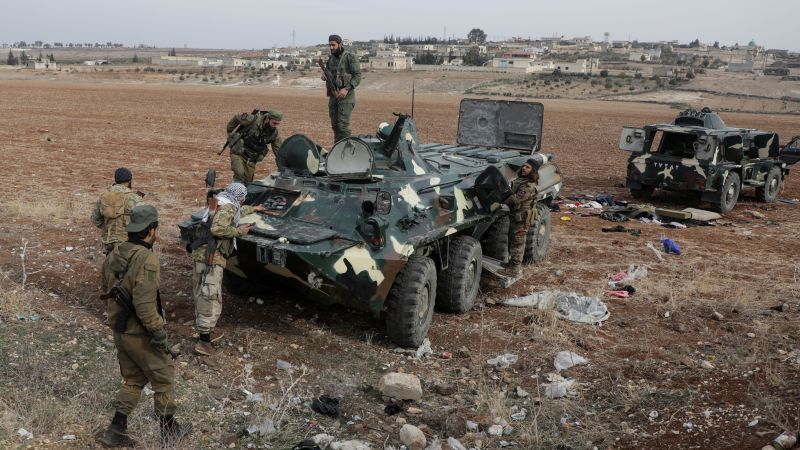
The last major development in the conflict occurred in 2020 when Russia and Turkey agreed to a ceasefire in the last opposition-held province of Idlib. However, recent fighting has reignited as rebels formed a new coalition called the “Military Operations Command” and began advancing outside Aleppo. The fighters claim they are seeking to liberate territory and responding to increased attacks from government forces and pro-Iranian militias.
The ongoing conflict in Syria continues to have far-reaching consequences, with events in Aleppo underscoring the complex and volatile nature of the situation. The international community remains concerned about the potential for further escalation and the impact on civilians caught in the crossfire.
Source
Photo credit www.cnn.com